












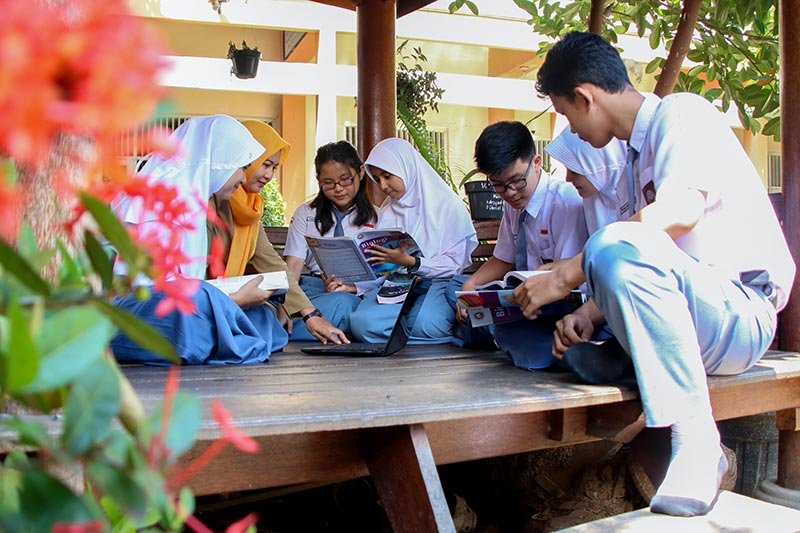
Education is a fundamental right for every individual, and it is essential to have equitable access to education. However, in Indonesia, access to education remains unequal, and disparities in educational outcomes persist. Addressing these disparities is a critical step towards building a more just and equitable society.
One of the main barriers to access to education in Indonesia is poverty. Many families cannot afford to pay for schooling or related expenses, such as uniforms and textbooks. This disproportionately affects students in rural areas and those from marginalized communities, who may face additional barriers such as distance and lack of infrastructure.
Gender is also a significant factor in access to education in Indonesia. While gender gaps in educational attainment have been decreasing, girls still face more obstacles to accessing education than boys. This is particularly true in more conservative regions of the country, where cultural norms and practices may limit girls’ access to education.
Addressing these disparities requires a multifaceted approach. One of the most critical steps is to increase funding for education, particularly in underserved areas. The government has taken steps towards this, such as implementing a program to provide free education to all children for twelve years. However, more needs to be done to ensure that this policy is effectively implemented and reaches those who need it the most.
Another crucial aspect of addressing disparities in education is to provide support to disadvantaged students. This includes providing scholarships, financial assistance, and mentoring programs. Efforts should also be made to improve the quality of education in underserved areas, by investing in infrastructure, training teachers, and providing resources and materials.
In conclusion, addressing equity and access in Indonesian education requires a sustained and concerted effort. By addressing factors such as poverty, gender disparities, and educational quality, Indonesia can build a more just and equitable society that values and prioritizes education as a right for all.